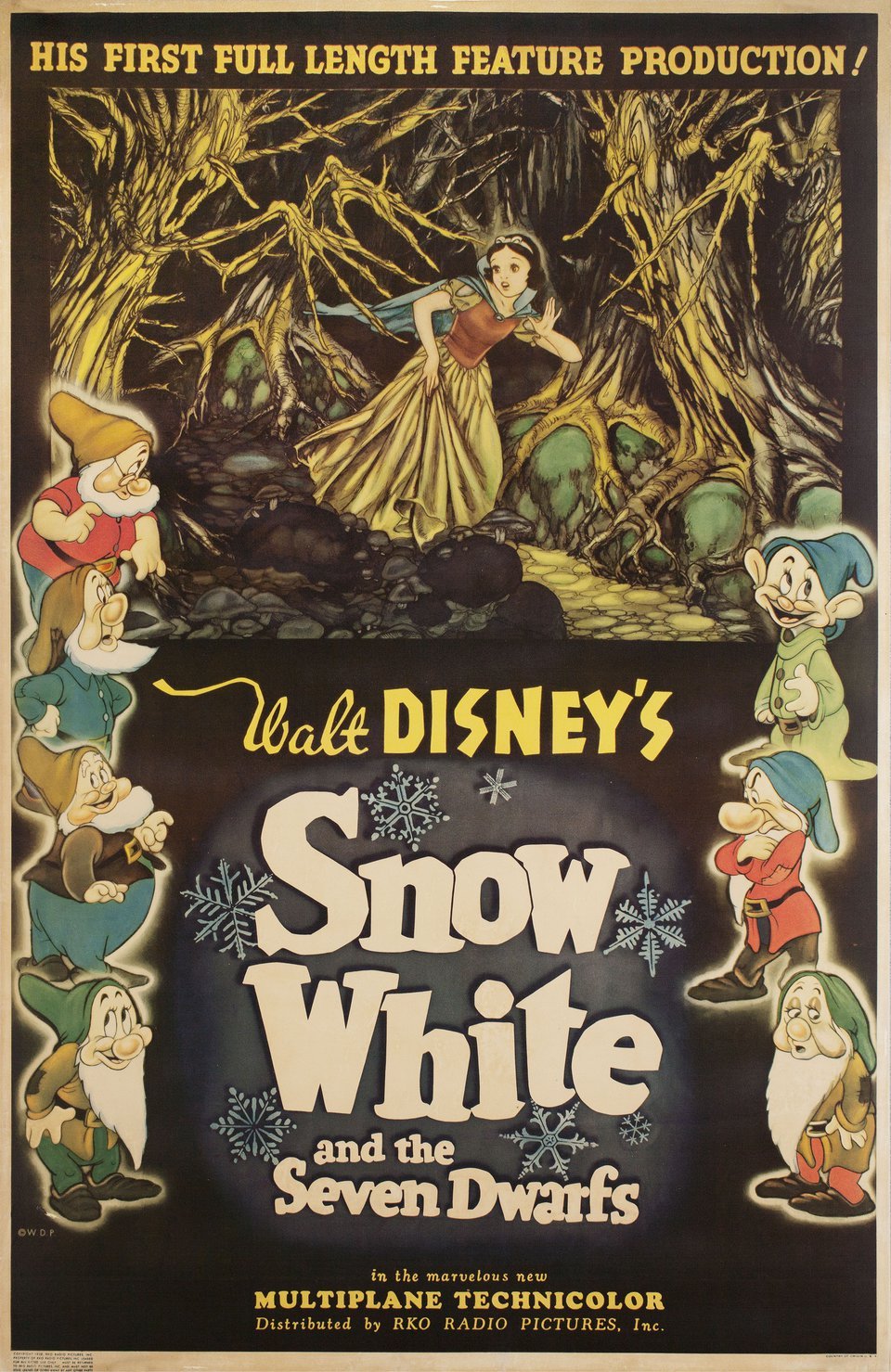
When you look at a truly timeless piece of art, whether it’s a painting in a gallery or a film poster, there's an immediate, almost visceral understanding of its message. This rings especially true when conducting an Artistic Analysis & Design of Snow White Posters, which reveal a masterful blend of visual storytelling, emotional resonance, and strategic branding that solidified a cinematic legend. These posters aren’t just advertisements; they are iconic artworks in their own right, deserving of deep appreciation and study.
At a Glance: Crafting Timeless Poster Art
- Visual Storytelling: Posters instantly convey the core narrative and genre (fairy tale, adventure, drama).
- Emotional Connection: Effective design evokes curiosity, wonder, or excitement, drawing viewers in.
- Strategic Composition: Hierarchy of elements guides the eye, emphasizing key characters or themes.
- Color & Typography: Palette and fonts are chosen to reinforce mood, era, and brand identity.
- Character Focus: Main characters are central, with expressions hinting at their roles and personalities.
- Branding Power: A strong studio name or distinctive style builds trust and anticipation.
- Evolution Over Time: While core principles remain, modern posters adapt with new visual trends.
The Enduring Power of a Visual Icon: Setting the Stage for Snow White
Before the internet, before social media, a film's poster was its primary ambassador. It had mere seconds to capture attention, convey the essence of the story, and persuade audiences to buy a ticket. For Walt Disney’s Snow White and the Seven Dwarfs, released in 1937, this task was monumental. It wasn't just launching another film; it was introducing the world to the first feature-length animated movie, a gamble of unprecedented scale and ambition. The original posters weren't just marketing tools; they were the visual cornerstone of a new artistic medium, defining how audiences would perceive animated cinema for generations to come.
The challenge for the designers was immense: how do you distill the magic, the danger, the wonder, and the charm of a new, groundbreaking art form into a single static image? They achieved this through deliberate choices in color, composition, character portrayal, and typography, setting a benchmark for what classic Snow White movie posters would become. These early designs didn't just sell a movie; they sold a dream.
Decoding the Original Masterpiece: The 1937 Poster's Enduring Lessons
Let's peel back the layers of the original 1937 Snow White poster, a true artifact of design history, to understand its enduring power. This wasn't merely a collage; it was a carefully constructed narrative, each element playing a crucial role.
Typography: The Fairy Tale Script
One of the first things that strikes you about the original poster is the lettering for the film's title. It’s not a stark, modern sans-serif. Instead, it’s rendered in a whimsical, traditional, and instantly recognizable fairy tale style handwriting. This choice wasn't accidental. It immediately signals the genre, evoking a sense of nostalgic comfort and magic. It tells you, without a single spoken word, that you are about to enter a world of enchantment, much like the opening pages of a classic storybook. The addition of "adapted from Grimm's Fairy Tales" further reinforces this, appealing to an audience already familiar with and fond of those timeless narratives, perhaps even more than they were with Walt Disney at the time.
Color Palette: Subtle Hues, Maximum Impact
Contrast is key in design, and the 1937 Snow White poster showcases a masterclass in subtle color use. Unlike the often vibrant, almost "in-your-face" palettes of many modern film posters, the original adopted a more minimalistic and understated approach. The colors are rich but muted, lending a sophisticated, almost painterly quality. This choice enhances the fairy tale aesthetic, suggesting a world that is magical yet grounded in classic illustration. It speaks to a different era of advertising, where suggestion and elegance often trumped overt spectacle, allowing the characters and composition to do the heavy lifting without being overwhelmed by a cacophony of hues.
Composition & Hierarchy: Snow White at the Core
Good design always has a focal point, and the 1937 poster leaves no doubt about who the central figure is. Snow White stands prominently in the center, rendered larger than any other character. This immediately communicates her paramount importance to the story. Your eye is drawn to her first, then cascades outwards to the other elements. This central positioning is a classic technique for establishing hierarchy and ensures that the audience understands who the protagonist is at a mere glance. It’s a foundational principle in visual communication: size and placement dictate importance.
Character Portrayal: A Cast of Thousands (Literally!)
In stark contrast to many contemporary film posters that focus on just a few key figures (often the protagonist and antagonist), the original Snow White poster features a surprising number of characters. All seven dwarfs are present, each with a distinct facial expression that hints at their unique personality. This abundance of characters serves multiple purposes: it suggests a rich, populated world, promises a diverse cast of endearing personalities, and subtly indicates the film's scope. The varied expressions of the dwarfs add visual interest and variation, preventing the ensemble from feeling static or repetitive. It effectively communicates that this isn't just Snow White's story, but an adventure shared with a colorful supporting cast.
Branding & The Disney Touch: Walt's Signature
Below the whimsical title, prominently featured, is the name "Walt Disney." In 1937, Walt Disney Productions was a burgeoning, successful company, though perhaps not yet the global behemoth we know today. Placing his name so clearly was a strategic move to leverage his burgeoning reputation for quality and innovation. This branding choice proved prescient, as the "Walt Disney" name has since become synonymous with magical, family-friendly entertainment, a brand trust that has only grown since 1937. It was, and still is, an immediate draw, a promise of a certain kind of enchanting cinematic experience.
Setting the Scene: The Castle's Grandeur
Perched majestically in the background of the poster is a magnificent castle. This isn’t just a pretty backdrop; it's a vital piece of visual shorthand. The castle instantly informs the viewer that this is a fairy tale, a story steeped in royalty, adventure, and perhaps a touch of danger. It lends a sense of "grandness" and "royal perspective" to the overall composition, further immersing the audience in the fantastical world of Snow White. It symbolizes both aspiration and potential peril, a recurring motif in classic fairy tales.
Evolution of an Icon: How Later Posters Reimagined the Tale
Over the decades, as Snow White and the Seven Dwarfs was re-released and re-marketed, its posters naturally evolved. While the core essence remained, designers adapted to changing aesthetic sensibilities and marketing strategies.
Modern Interpretations: Brighter, Bolder, Fewer
If you compare the original 1937 poster with re-release posters from later decades, especially those from the latter half of the 20th century or promotional materials for spin-offs, you'll notice a distinct shift. Modern posters often embrace brighter, more saturated colors, aiming for an immediate, eye-popping impact. The minimalism of the original often gave way to bolder graphics and more dynamic compositions.
This reflects a broader trend in advertising: capturing attention in an increasingly crowded visual landscape. While the subtlety of the original had its charm, later designs aimed for a more direct and often more emotionally charged appeal.
The Art of Character Focus vs. Ensemble Casts
Another noticeable evolution is the trend towards focusing on fewer, more central characters. While the original packed in Snow White, the Prince, the Queen, and all seven dwarfs, later posters might emphasize Snow White alone, or perhaps her with the Evil Queen, or a stylized grouping of just a few dwarfs. This shift allows for clearer character archetypes to be highlighted, often focusing on the central conflict or the protagonist's journey. It’s a trade-off between the rich tapestry of an ensemble and the sharp focus of a core narrative. Both approaches have their merits, depending on the desired impact and marketing message.
Key Principles for Designing Iconic Posters: Applying Snow White's Lessons
The success of Snow White's original poster isn't just historical; it offers timeless lessons for anyone involved in design, especially those aiming to create visually compelling marketing materials.
Clarity of Narrative: What's the Story at a Glance?
The Snow White poster immediately tells you it's a fairy tale, featuring a princess, dwarfs, and a castle. Your design should achieve similar narrative clarity. Can someone understand the core premise or genre of what you’re promoting within a few seconds of seeing your poster? If it’s too abstract or ambiguous, you risk losing your audience before they’ve even had a chance to engage.
Emotional Resonance: Hooking the Viewer's Heart
The expressions of the dwarfs, the gentle pose of Snow White, and the grandeur of the castle all evoke a sense of wonder and childlike delight, tempered by the hint of the Queen’s malice. A powerful poster taps into emotion. Does your design evoke curiosity, joy, fear, excitement, or intrigue? Emotional connection is a far stronger motivator than mere information. Think about the feeling you want to leave with your viewer.
Strategic Use of Color: Palette as Mood-Setter
The original poster's subtle, rich palette created a classic, storybook feel. Modern posters might use bold, contrasting colors for high energy. The key is intent. Don't just pick colors you like; choose colors that actively support the mood, tone, and genre of your subject matter. Understand color psychology—how certain hues can evoke specific emotions or associations.
Hierarchical Composition: Guiding the Eye
Snow White's central, dominant placement ensures she's the first thing you see. Every element on your poster should have a purpose and a place in the visual hierarchy. Use size, contrast, color, and placement to guide the viewer's eye through the design, leading them to the most important information first, then secondary details, and finally, the call to action or branding.
Distinctive Typography: More Than Just Words
The fairy tale script of the Snow White title wasn't just decorative; it was communicative. Typography carries immense weight. The font you choose for titles, taglines, or key information can significantly impact the overall feel and message of your poster. Is it elegant, playful, menacing, or bold? Ensure your typography aligns with your brand and narrative, and that it's legible from a distance.
Branding Integration: Signature Touches
"Walt Disney" was a trust signal. Your brand elements—logo, consistent color palette, specific stylistic choices—should be integrated seamlessly but clearly. Strong branding builds recognition and trust, making your poster instantly identifiable and linking it to the quality and reputation you’ve established. A consistent visual language across all your marketing materials strengthens your overall brand presence.
Beyond the Canvas: The Psychology of a Powerful Poster
The design of Snow White posters, both original and subsequent, delves into fundamental psychological triggers that designers still leverage today.
Anticipation and Intrigue
By showcasing key characters and a majestic setting, the Snow White poster built anticipation. It raised questions: Who is Snow White? What adventure awaits her? Who are these dwarfs? A great poster doesn't give everything away; it sparks curiosity, leaving just enough mystery to compel the viewer to seek out the full story.
Relatability and Fantasy
While a fairy tale, Snow White touches on universal themes: good vs. evil, friendship, betrayal, and true love. The poster hints at these without explicit dialogue. The dwarfs, with their distinct personalities, are instantly relatable caricatures. A powerful poster can ground a fantastical premise in relatable human emotions, making even the most outlandish stories feel accessible.
Cultural Impact
The initial Snow White posters didn't just market a film; they helped establish the visual language for an entire genre of animation and storytelling. They contributed to the film's lasting cultural impact, becoming recognizable symbols even for those who haven't seen the movie. This is the ultimate goal of iconic design: to transcend its initial purpose and become a part of the collective cultural consciousness.
Common Design Pitfalls to Avoid
Drawing from the enduring success of Snow White posters, here are some common missteps designers often make:
- Overcrowding: While Snow White featured many characters, they were arranged with clear hierarchy. Avoid cramming too many disparate elements without a clear visual flow.
- Lack of Focal Point: If everything is important, nothing is important. Every poster needs a clear hero element that draws the eye.
- Inconsistent Messaging: Does the imagery match the title and tagline? A disconnect can confuse the audience.
- Poor Legibility: Beautiful fonts are useless if they can't be read easily, especially from a distance.
- Ignoring Context: A poster for a children's movie will differ vastly from one for a horror film. Design must align with the target audience and content.
- Generic Imagery: Avoid stock imagery or compositions that feel uninspired. Strive for originality and distinctiveness, as Snow White did with its groundbreaking animation.
Your Turn: Crafting a Poster with Timeless Appeal
The next time you embark on a design project, whether it's for a film, an event, or a product, channel the wisdom of those early Snow White pioneers. Start by asking yourself:
- What is the single most important message or emotion I want to convey?
- Who is my target audience, and what visual language resonates with them?
- How can I use color, composition, and typography to tell a story instantly?
- What unique elements will make my design stand out and be memorable?
By approaching your design with this level of thought and strategic intent, you too can create posters that are not just effective, but truly iconic. The legacy of Snow White's initial marketing efforts proves that thoughtful, artistic design has an extraordinary power to captivate, inform, and endure through generations.