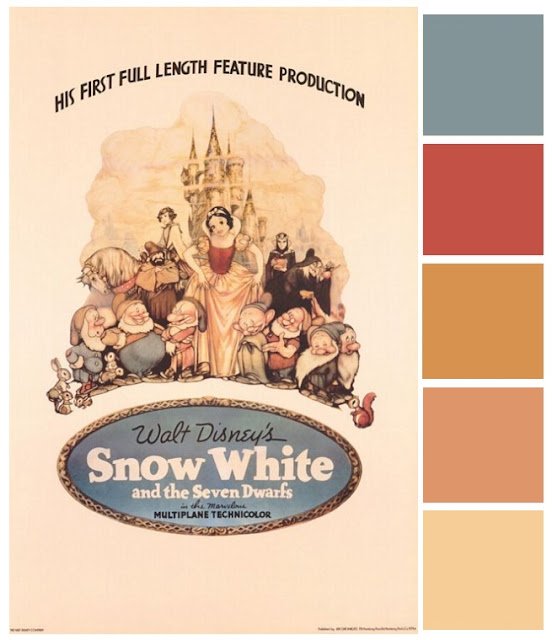
The timeless allure of Snow White and the Seven Dwarfs continues to enchant generations. For collectors and enthusiasts, owning a vintage poster from Disney's groundbreaking 1937 animated masterpiece isn't just about possessing a piece of art; it's about holding a tangible fragment of cinematic history. But these beautiful artifacts are also incredibly fragile. Mastering the Care, Preservation & Display of Vintage Snow White Posters is crucial to ensuring your treasured piece retains its magic for years, even decades, to come.
This guide is for anyone who's ever gazed at those vibrant colors and iconic characters and felt a deep connection—and perhaps a touch of anxiety about how to properly protect such a valuable and sentimental item.
At a Glance: Key Takeaways for Poster Guardians
- Handle with Care: Always use clean hands, preferably cotton gloves, and support the poster fully.
- Environmental Control is King: Store and display in a cool, dark, dry place with stable temperature and humidity.
- Light is the Enemy: UV light causes irreversible fading and damage. Minimize exposure.
- Acid-Free is Essential: All materials touching your poster (sleeves, mats, backing) must be acid-free and archival quality.
- Framing Matters: Invest in professional, archival framing with UV-protective glazing.
- Avoid DIY Restoration: For any cleaning, repairs, or flattening, consult a qualified conservator.
- No Lamination, Ever: This irreversible process destroys value and damages the poster.
- Regular Checks: Periodically inspect your poster for any signs of deterioration or pest activity.
More Than Just Paper: Why Your Vintage Snow White Poster Deserves Royal Treatment
Why go to such lengths for a piece of paper? The answer lies in its multifaceted value. A vintage Snow White poster isn't just ephemera; it's a piece of cultural heritage, a work of art, and often a significant financial investment.
- Historical Significance: These posters are primary source documents, direct advertising from the film's original release or early re-releases. They tell a story of cinematic marketing, design trends, and public reception.
- Artistic Merit: The artwork itself, often by renowned illustrators, captures the film's essence in a unique way, distinct from the film itself. The vivid colors and character interpretations are miniature masterpieces.
- Emotional Connection: For many, Snow White evokes childhood memories, a sense of wonder, and the birth of animated storytelling. Preserving these posters keeps that magic alive.
- Investment Potential: Original vintage movie posters, especially from iconic films like Snow White, can appreciate significantly in value over time. Poor care, however, can swiftly diminish that value. Understanding how to navigate the market for Snow White and the Seven Dwarfs posters is crucial for both collectors and potential investors.
Understanding Your Treasure: What Makes a Snow White Poster "Vintage"?
Before you can care for your poster, it helps to understand what you're protecting. "Vintage" for Snow White posters typically refers to prints from the film's original 1937 release or its significant re-release campaigns. Disney re-released Snow White multiple times over the decades (e.g., 1944, 1952, 1958, 1967, 1975, 1983, 1987, etc.), each with new advertising materials.
Original 1937 posters are, of course, the most coveted and valuable. Later re-release posters, particularly from the 1940s-1960s, also hold significant vintage appeal. Identifying the specific print run often involves checking the studio credits, printer marks, NSS (National Screen Service) numbers, or unique artwork associated with different campaigns. If you're unsure about the authenticity or era of your poster, learning about identifying original Disney posters can be a fascinating and crucial first step. Each era had different paper stock, printing processes, and even ink compositions, all of which influence their fragility and specific preservation needs.
The Silent Enemies: Threats to Your Poster's Longevity
Vintage posters face an array of threats that can degrade their condition, sometimes irreversibly. Understanding these "enemies" is the first step toward effective defense.
- Light (Especially UV): This is arguably the most destructive force. Ultraviolet (UV) light, present in both sunlight and fluorescent bulbs, breaks down the chemical bonds in paper fibers and ink pigments, leading to irreversible fading, discoloration, and embrittlement. Visible light also contributes to degradation, albeit at a slower rate.
- Humidity and Temperature Fluctuations: Extreme changes or consistently high humidity can cause paper to warp, buckle, and become an inviting environment for mold and mildew. Low humidity can make paper brittle and prone to cracking. Stability is key.
- Acid: Most paper produced before the late 20th century contains wood pulp, which is inherently acidic. Over time, this acid breaks down the cellulose fibers, causing the paper to become brittle, discolored (often turning yellow or brown), and weak—a process known as "acid burn." This is compounded by contact with non-archival (acidic) storage or display materials.
- Pests: Insects like silverfish, paperlice, and various beetles, along with rodents, see paper as a food source or nesting material. Their damage can range from small nibbles to significant holes and staining.
- Poor Handling: Creases, tears, folds, fingerprints, and smudges are often the result of careless handling. Once a poster is folded, for instance, the paper fibers at the crease are permanently weakened, making them susceptible to tears.
- Environmental Pollutants: Dust, dirt, smoke, and airborne chemicals can settle on your poster, causing surface grime and contributing to chemical degradation.
The Foundation of Preservation: Proper Handling
Before you even think about storage or display, proper handling is paramount. Many tears and creases occur simply because a poster isn't handled correctly.
- Always Wear Gloves: Clean, white cotton gloves are ideal. Your skin's natural oils, even on clean hands, can leave acidic residues that accumulate over time and cause discoloration.
- Work on a Clean, Flat Surface: Clear a large, clean table or floor space. Ensure it's free of debris that could scratch or puncture the poster.
- Provide Full Support: Never pick up a poster by one corner or edge. Always support it fully from underneath with both hands, or slide it onto a rigid, acid-free backing board. If it's a large poster, it’s best to have a second person help.
- Never Roll Tightly: If a poster must be rolled for transport, roll it loosely with the image facing outwards (to prevent flaking if the inks are brittle) around a wide-diameter, acid-free tube. Rolling should be a temporary measure. Flat storage is always preferred long-term.
- Avoid Folding: Unless your poster was originally distributed folded (many were), avoid creating new folds. Original folds are part of its history, but new folds only create damage.
- Limit Handling: The less you handle your poster, the better. Every touch introduces risk.
Creating a Safe Haven: Storage Solutions
For posters not currently on display, proper storage is your best defense against degradation. The goal is to create a stable, protected environment.
Flat Storage: The Gold Standard
Flat storage is always recommended for long-term preservation as it puts the least stress on the paper fibers.
- Archival Folders and Sleeves:
- Mylar (Polyester) Sleeves: These clear, inert polyester sleeves offer excellent protection against environmental elements, fingerprints, and minor physical damage. They come in various sizes and are chemically stable. Ensure they are true Mylar D or equivalent archival polyester.
- Acid-Free Folders/Envelopes: Store Mylar-sleeved posters in large, acid-free paper folders or envelopes. These provide additional light protection and support. Look for folders made of buffered paper (with a pH of 8.5 or higher) to counteract environmental acids.
- Archival Storage Boxes:
- Once sleeved and folded, store your posters flat in large, rigid, acid-free archival storage boxes. These boxes provide physical protection and help maintain a stable microclimate. Ensure the boxes are sturdy enough to stack without crushing the contents.
- Place a sheet of acid-free board between each poster if stacking multiple items in one box for added protection and ease of retrieval.
Rolled Storage: When It's Necessary
While flat storage is superior, large format posters or those that arrived rolled might necessitate rolled storage. This should still be done with great care.
- Acid-Free Tubes: Use sturdy, large-diameter (at least 4-6 inches) acid-free tubes. The larger the diameter, the less stress on the paper fibers.
- Mylar Sheeting: Roll the poster, image side out, around the tube, interleafed with a sheet of Mylar. This prevents the image from touching itself and provides an additional barrier.
- Secure but Not Tight: Secure the rolled poster with archival string or Mylar straps, but don't tie it too tightly. Place end caps on the tube or wrap it in acid-free paper to protect from dust.
- Store Horizontally: Store rolled tubes horizontally on shelving, never vertically, as gravity can cause the poster to sag and warp.
The Ideal Storage Environment
Location, location, location! Even the best archival materials can't compensate for a poor environment.
- Cool and Dry: Aim for a consistent temperature of around 65-70°F (18-21°C) and relative humidity of 45-55%. Fluctuations are more damaging than consistent, slightly off readings.
- Dark: Store posters away from all natural and artificial light sources. Basements are often too humid, and attics are too hot and prone to extreme temperature swings. A climate-controlled interior closet or dedicated storage unit is often ideal.
- Clean: Keep storage areas clean and dust-free to deter pests and minimize airborne pollutants.
- Off the Floor: Store boxes and tubes on shelves, off the floor, to protect against potential water damage from leaks or floods.
A note on Linen Backing: Many vintage posters, especially those that were folded or damaged, undergo a process called linen backing. This involves mounting the poster onto a fabric (linen or canvas) with acid-free glues and a buffered paper backing. This process flattens the poster, minimizes creases and tears, and provides significant stability and support. While it is a form of restoration, it is widely accepted and often enhances a poster's appearance for display, and generally does not diminish the potential value of your Snow White memorabilia; in fact, for damaged posters, it can significantly increase desirability. However, it's a professional job, not a DIY project.
Showcasing Your Gem: Display Best Practices
The ultimate goal for many collectors is to display their Snow White poster proudly. But display comes with its own set of risks. Doing it right means protecting it while it's out in the open.
Framing: The Gold Standard for Display
Professional, archival framing is the single best way to protect your poster while on display. This isn't just about aesthetics; it's about creating a controlled micro-environment.
- UV-Protective Glazing: This is non-negotiable. Choose acrylic (plexiglass) or glass that blocks at least 98% of harmful UV rays. Acrylic is lighter and shatter-resistant, making it a good choice for larger pieces, but it can scratch more easily. Glass can be heavier but offers superior scratch resistance. Anti-reflective options are also available.
- Acid-Free Matting and Backing:
- Mat Boards: If using a mat, it must be made of 100% cotton rag or alpha-cellulose, both of which are acid-free and often buffered. The mat prevents the poster's surface from touching the glazing, which can cause condensation damage or even adhesion over time.
- Backing Board: The material directly behind your poster must also be acid-free and archival quality, such as foam core or corrugated board made from inert plastics or buffered paper.
- Hinging (Not Adhering): The poster should be attached to the backing board using archival hinges (Japanese paper and starch paste, or conservation-grade tape). It should never be permanently adhered, dry-mounted, or spray-mounted, as these methods are irreversible and severely devalue the poster.
- Spacer/Rabbet Depth: Ensure the frame's rabbet (the recess where the glazing, mat, poster, and backing fit) is deep enough to accommodate all archival materials without compressing them. Spacers can be used between the mat and glazing if no mat is used to create an air gap.
- Professional Framing: Unless you have extensive experience with archival materials and techniques, this is a job for a professional custom framer specializing in art or document preservation. They understand the nuances of acid-free archival materials and proper framing techniques.
Location for Display: Out of Harm's Way
Even with the best framing, where you hang your poster makes a huge difference.
- No Direct Sunlight: Avoid walls that receive direct sunlight at any time of day. This is the fastest way to cause irreversible fading.
- Away from Heat Sources: Keep posters away from fireplaces, radiators, heating vents, and even exterior walls that get very hot or cold.
- Stable Environment: Choose a location with stable temperature and humidity. Avoid bathrooms, kitchens, or basements, which often have high moisture levels.
- Interior Walls: Interior walls generally offer more stable temperatures and humidity compared to exterior walls.
- Rotate Display: If you have multiple posters, consider rotating them every few months or years. This limits the total light exposure for any single piece, extending its life.
Avoiding Common Display Pitfalls
- Never Use Regular Tape: Masking tape, Scotch tape, duct tape, or any non-archival tape will cause irreparable acid burn, staining, and sticky residue.
- Avoid Non-Archival Frames: Off-the-shelf frames often come with acidic mats and backing. These will leach acid into your poster over time.
- Lamination is a Destroyer: Lamination is a permanent process that involves sealing a poster between plastic sheets. It is irreversible, traps moisture, off-gasses harmful chemicals, and instantly destroys the collectible value of any vintage poster. Do not laminate.
Cleaning & Restoration: When to Call the Pros
It's tempting to try and "fix" a beloved poster, but this is an area where DIY attempts almost always do more harm than good.
Gentle Dusting (With Extreme Caution)
The only "cleaning" you should ever attempt yourself is very gentle dusting with a soft, clean, dry paintbrush (like a watercolor brush). Do this only if the poster is flat and stable, with no flaking paint or loose pieces. Simply brush debris off the surface, never pressing down or rubbing. If there's any doubt, don't do it.
When to Call a Professional Conservator
For any actual cleaning, repair, or flattening, a professional paper conservator or a specialist in professional poster restoration services is absolutely essential. They have the expertise, specialized tools, and archival materials to safely address issues like:
- Tears and Creases: They can mend tears seamlessly and flatten creases without damaging the paper fibers.
- Acid Burn and Discoloration: Conservators can deacidify paper to neutralize existing acids and remove stains, significantly improving the poster's appearance and longevity.
- Mold and Mildew: These biological growths require expert removal and treatment to prevent further damage and ensure the poster is safe to handle.
- Water Damage: Stains and warping from water exposure can often be mitigated.
- Losses and Inpainting: For missing paper or significant damage, a conservator can perform skillful inpainting and paper fills, making the damage virtually invisible.
Attempting these repairs yourself with household glues, tapes, or cleaning solutions will invariably cause further damage, diminish the poster's value, and make professional restoration much harder, if not impossible.
Assessing Condition and Value: A Quick Note
The condition of your poster plays a significant role in its rarity and market value. A poster with vibrant colors, no tears, pinholes, or major defects will fetch a higher price than one in poor condition. When considering selling or insuring your poster, professional photography and a detailed condition report are invaluable. Collectors often refer to a standardized system for grading vintage movie posters which takes into account factors like tears, folds, fading, and pinholes. While this guide focuses on preservation, understanding condition helps prioritize which pieces might need immediate professional attention.
Common Questions from Fellow Enthusiasts
"Can I restore it myself? It's just a little tear."
Absolutely not. Even a "little tear" can be made much worse by improper adhesives or techniques. Professional conservators use specific, reversible, acid-free methods and materials that are simply not available or understood by the amateur. Trust the experts.
"Is rolling a poster always bad?"
Not always, but flat storage is almost always better for long-term preservation. If you must roll it for transport or temporary storage, use a large-diameter, acid-free tube and roll it loosely, image-side out, protected by Mylar. Avoid long-term rolled storage if possible.
"What about lamination? It seems like it would protect it."
Lamination is the single worst thing you can do to a vintage poster. It's an irreversible process that encases the poster in plastic, which often contains harmful chemicals that will degrade the paper over time. It makes the poster impossible to restore, destroys its texture, and renders it virtually worthless to serious collectors.
"Does linen backing reduce its value?"
Generally, no. For vintage posters that were originally distributed folded or have condition issues, linen backing is a widely accepted and often recommended preservation and restoration technique. It flattens the poster, minimizes creases and tears, and provides robust support for display, often enhancing its perceived and actual value, especially if done by a reputable conservator.
"Can I display my poster near a window if it's in a UV-protected frame?"
While a UV-protected frame offers significant protection, it doesn't block 100% of UV rays, and it does nothing to mitigate visible light or heat. Direct sunlight will still cause damage over time, and heat can lead to accelerated aging of the paper. Always keep your poster out of direct sunlight, even if framed with UV-protective glazing.
Your Next Steps: A Roadmap to Lasting Beauty
Caring for your vintage Snow White poster might seem like a complex endeavor, but it boils down to a few core principles: prevention, protection, and professional intervention when necessary.
- Assess Your Collection: Take stock of your posters. What condition are they in? What kind of storage or display do they currently have?
- Prioritize Protection: Invest in the right archival materials: Mylar sleeves, acid-free folders, and archival storage boxes.
- Optimize Your Environment: Identify the coolest, driest, darkest, and most stable locations in your home for storage and display.
- Embrace Archival Framing: For posters you wish to display, commit to professional, archival framing with UV-protective glazing.
- Consult Experts: Don't hesitate to reach out to a professional paper conservator for any cleaning, repair, or restoration needs. Their expertise is invaluable.
By following these guidelines, you're not just preserving a piece of paper; you're safeguarding a tangible link to a magical moment in cinematic history. Your efforts will ensure that the enchanting world of Snow White and the Seven Dwarfs continues to inspire awe and wonder for generations to come, proudly displayed or carefully protected, a testament to its enduring legacy.